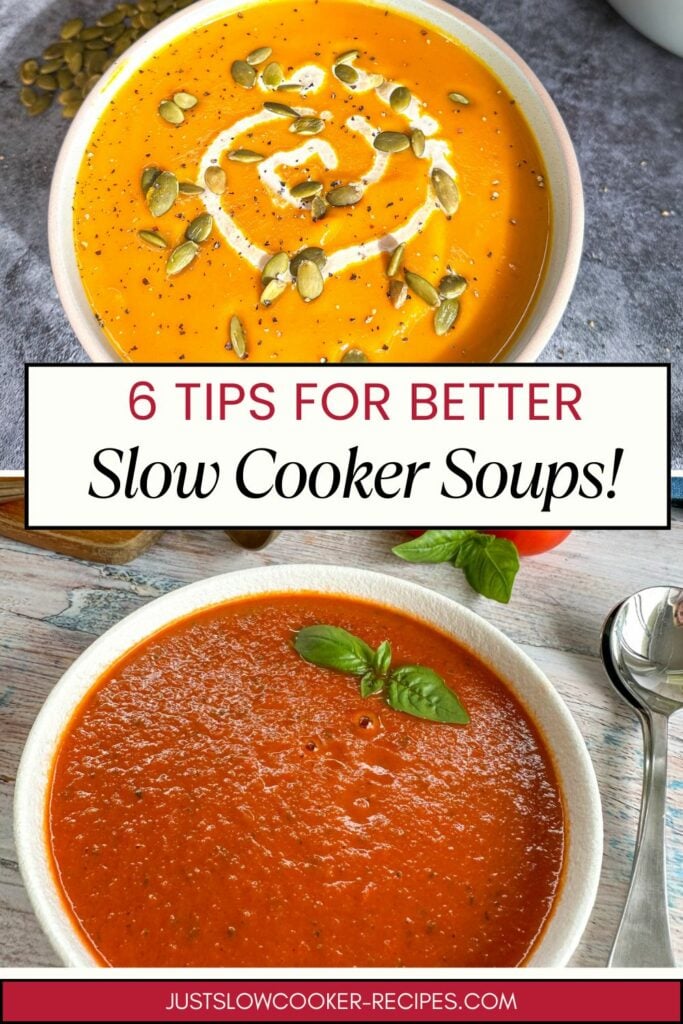
Slow cooker soups are one of the easiest and most comforting meals you can make. Add a few ingredients, turn the cooker on, and several hours later you have a warm, satisfying meal waiting.
But if you’ve ever ended up with soup that tastes watery, vegetables that are too soft, or broth that feels a little bland, you’re certainly not alone. Slow cookers behave quite differently from stovetop cooking.
Because the lid traps moisture, very little liquid evaporates during cooking. That means flavors don’t concentrate in the same way they might on the stove, and soups can sometimes taste a little diluted if they aren’t built properly from the start.
If you soups, you’ll like my collection of slow cooker soup recipes, featuring twelve easy soups perfect for cooler days.
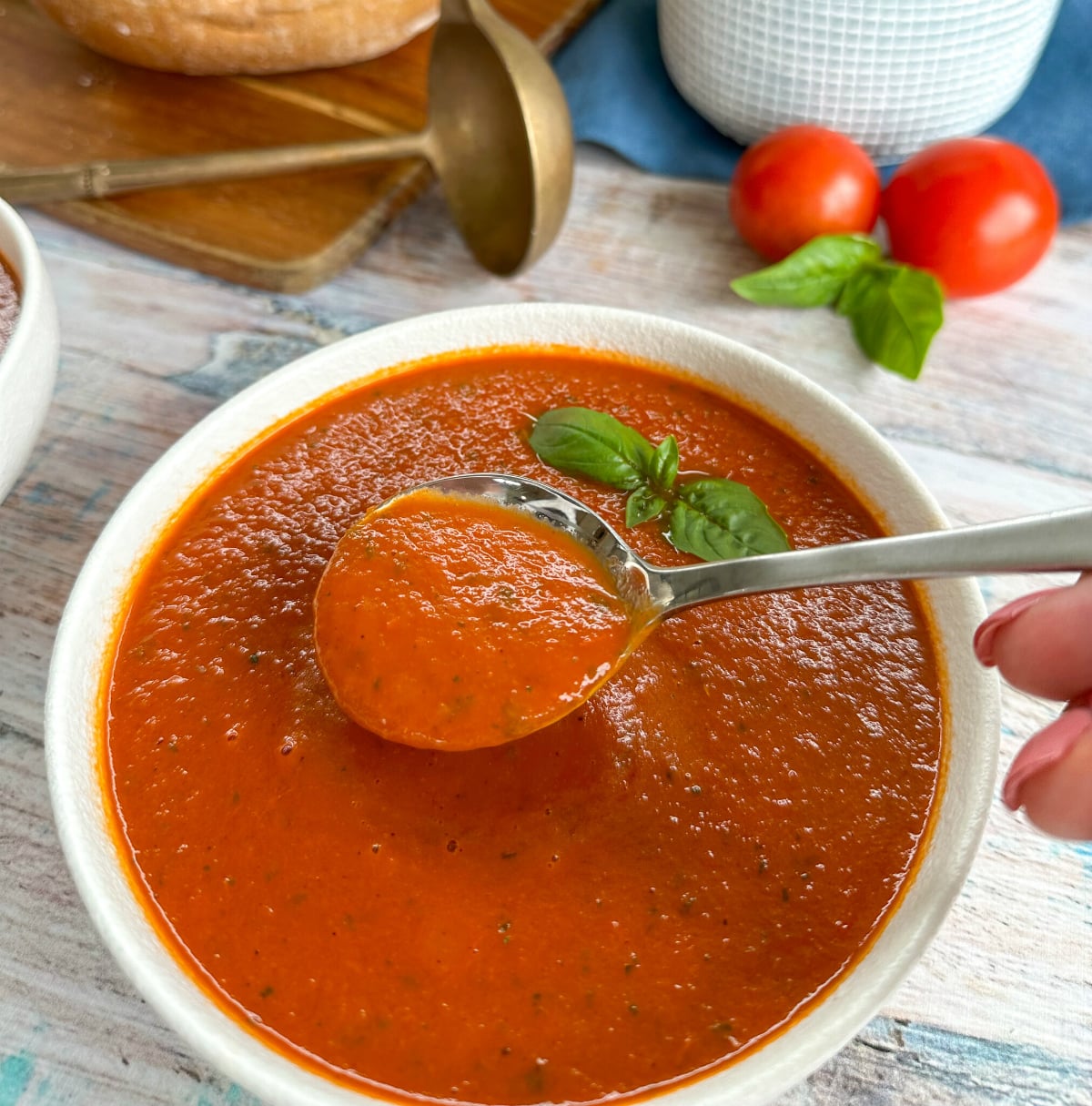
The good news is that a few small techniques make an enormous difference. Once you understand how to build flavor, choose the right ingredients, and add things at the right time, slow cooker soups become rich, comforting, and full of flavor every time!
Quick Tips for Better Slow Cooker Soup
If you remember nothing else, these simple tips will dramatically improve the flavor and texture of slow cooker soup.
- Sauté onions, garlic, and vegetables before adding them
- Brown meat whenever possible for deeper flavor
- Use a good quality broth or stock
- Add delicate vegetables near the end of cooking
- Avoid overfilling the slow cooker
- Taste and adjust seasoning at the end
- Finish with a splash of lemon juice or vinegar to brighten flavors
Build Flavor Before the Slow Cooker Starts
One of the biggest secrets to truly delicious soup happens before the slow cooker is even turned on!
Slow cookers gently simmer ingredients for several hours, so if everything goes in raw the flavors often never develop properly and the soup can taste flat.
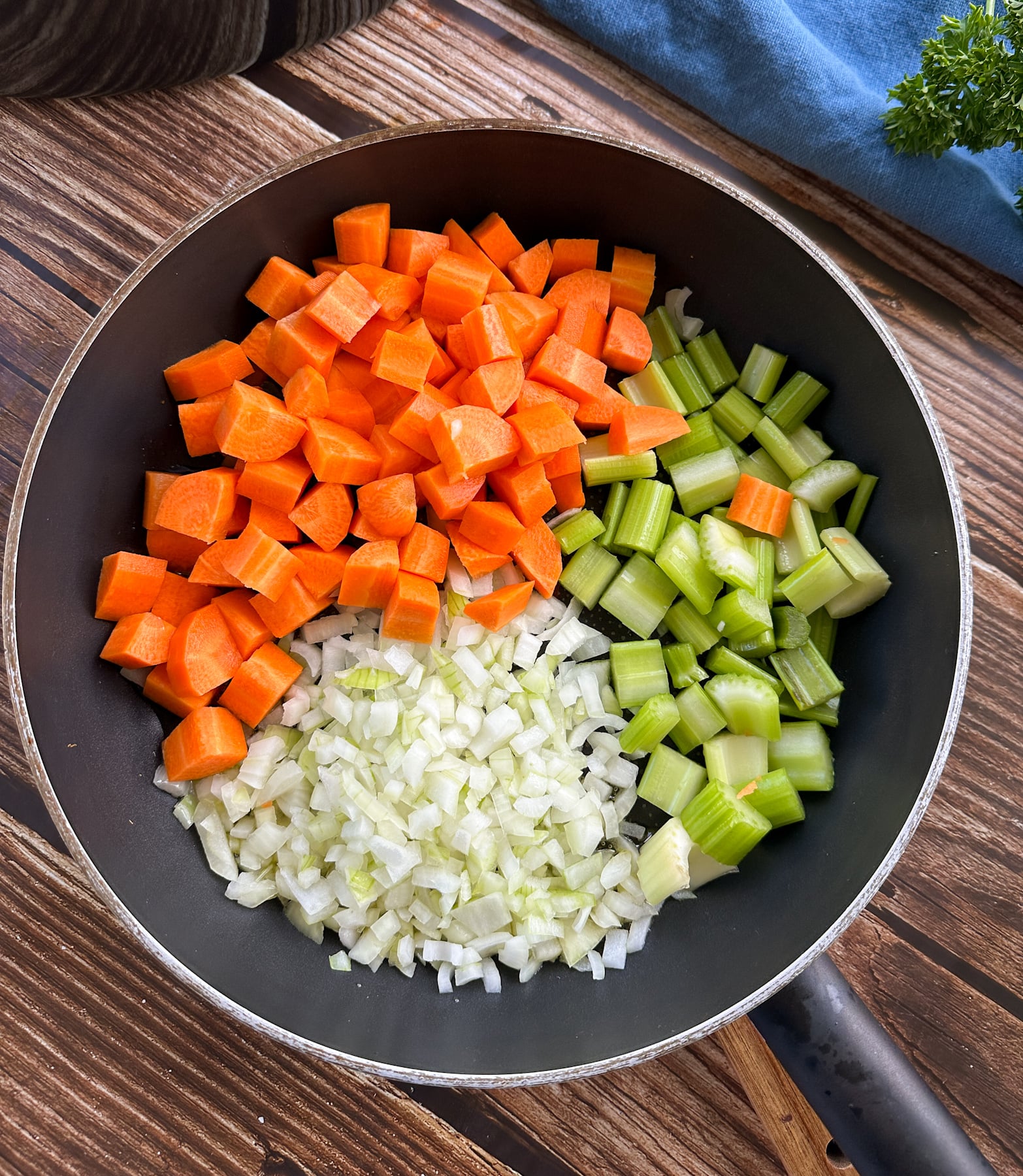
Taking just a few minutes to sauté aromatics like onions, garlic, celery, or carrots creates a much richer base. Cooking these vegetables in a little oil or butter concentrates their natural sugars and removes excess moisture, which helps the final soup taste deeper and more savory.
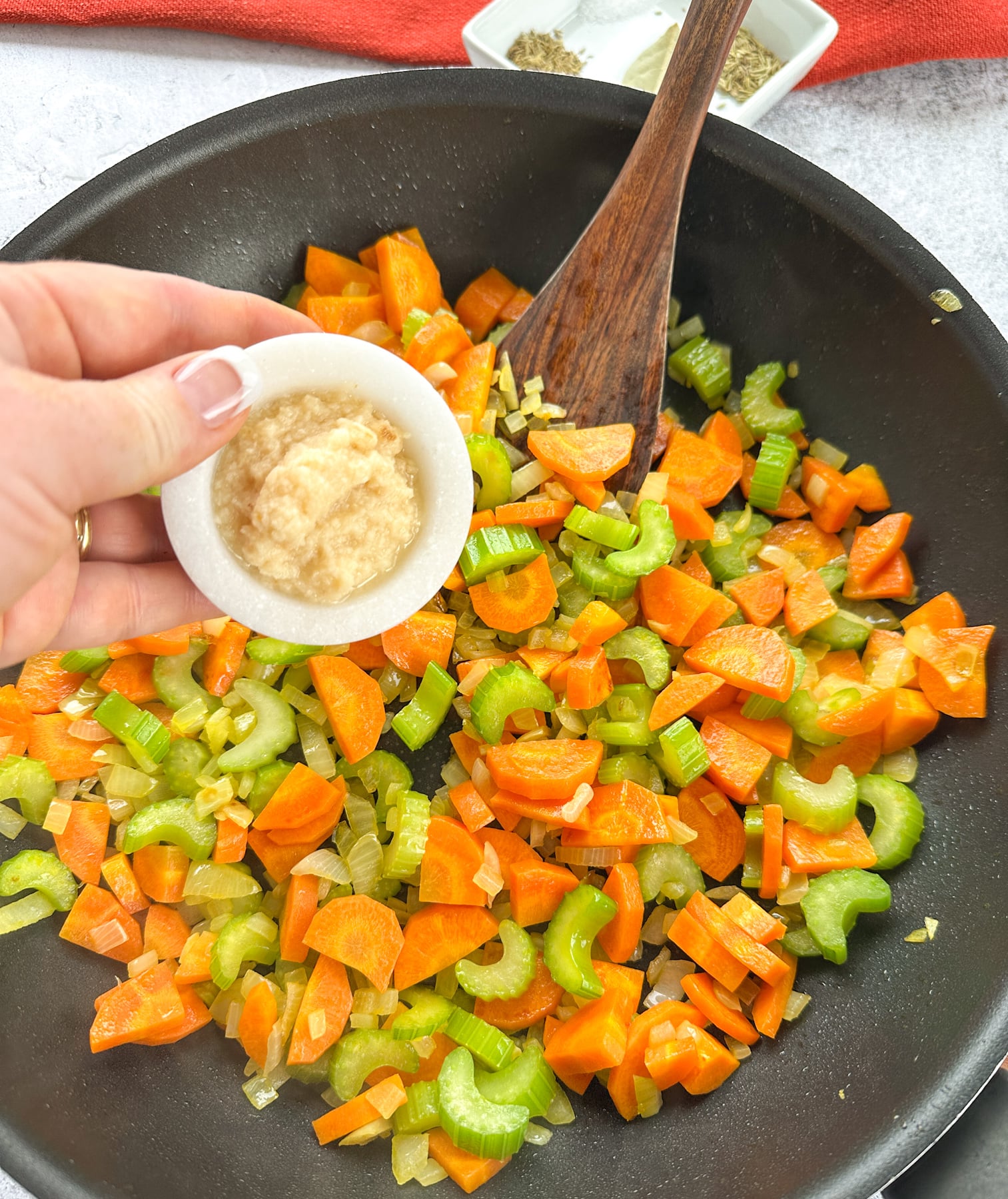
I often stir in a spoonful of tomato paste at this stage as well. Letting it cook briefly in the pan allows the sugars to caramelize and builds a beautiful depth of flavor. Ingredients like tomato paste, mushrooms, parmesan rind, or even a small splash of soy sauce can add extra richness and savory depth to soup.
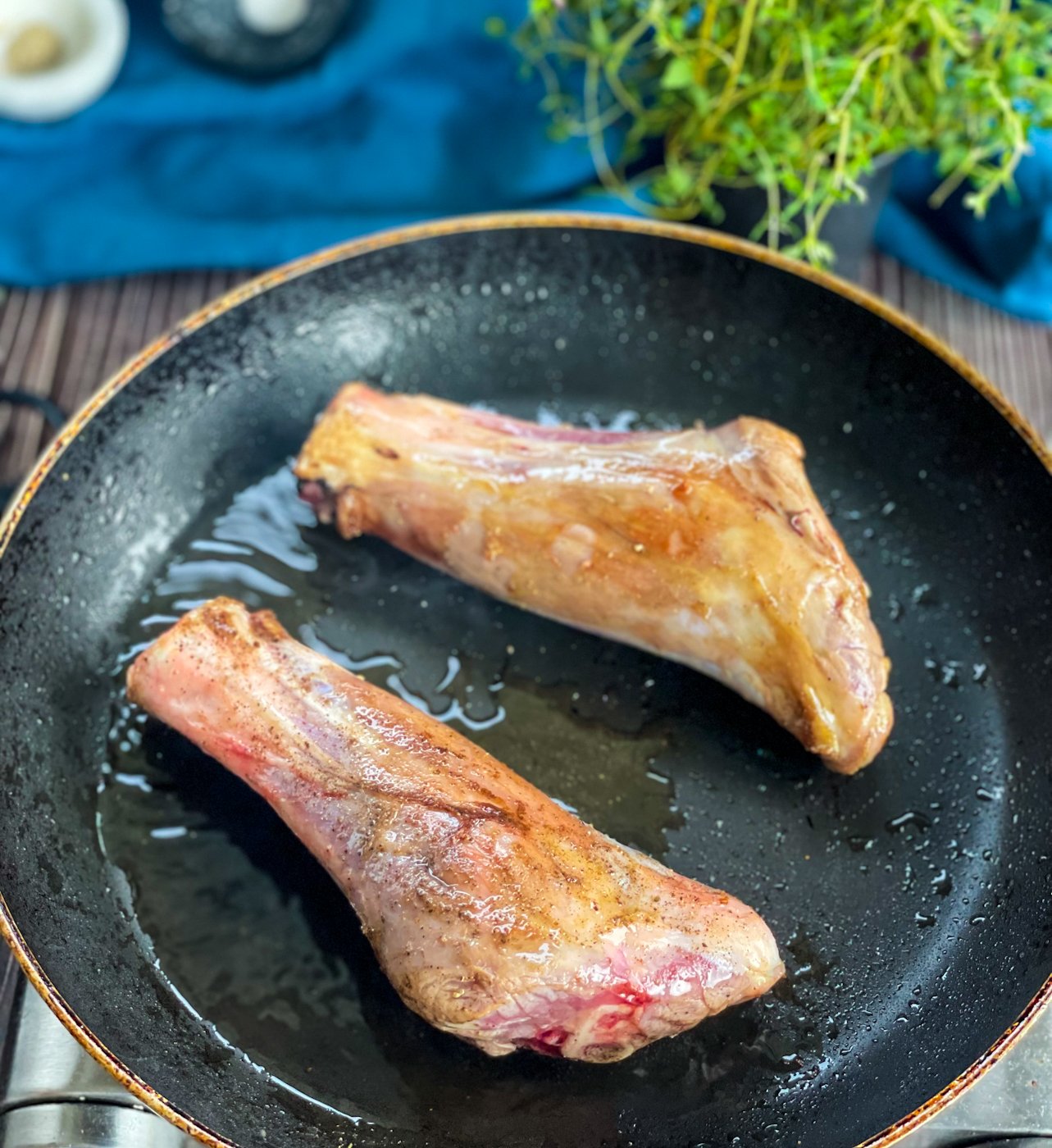
If your soup contains meat, browning it before adding it to the slow cooker is another simple step that makes a noticeable difference. Those caramelized bits left in the pan are pure flavor and add richness to the broth once everything is combined.
Before transferring everything to the slow cooker, add a splash of broth or wine to the pan and scrape up any browned bits stuck to the bottom. That extra flavor goes straight into the soup.
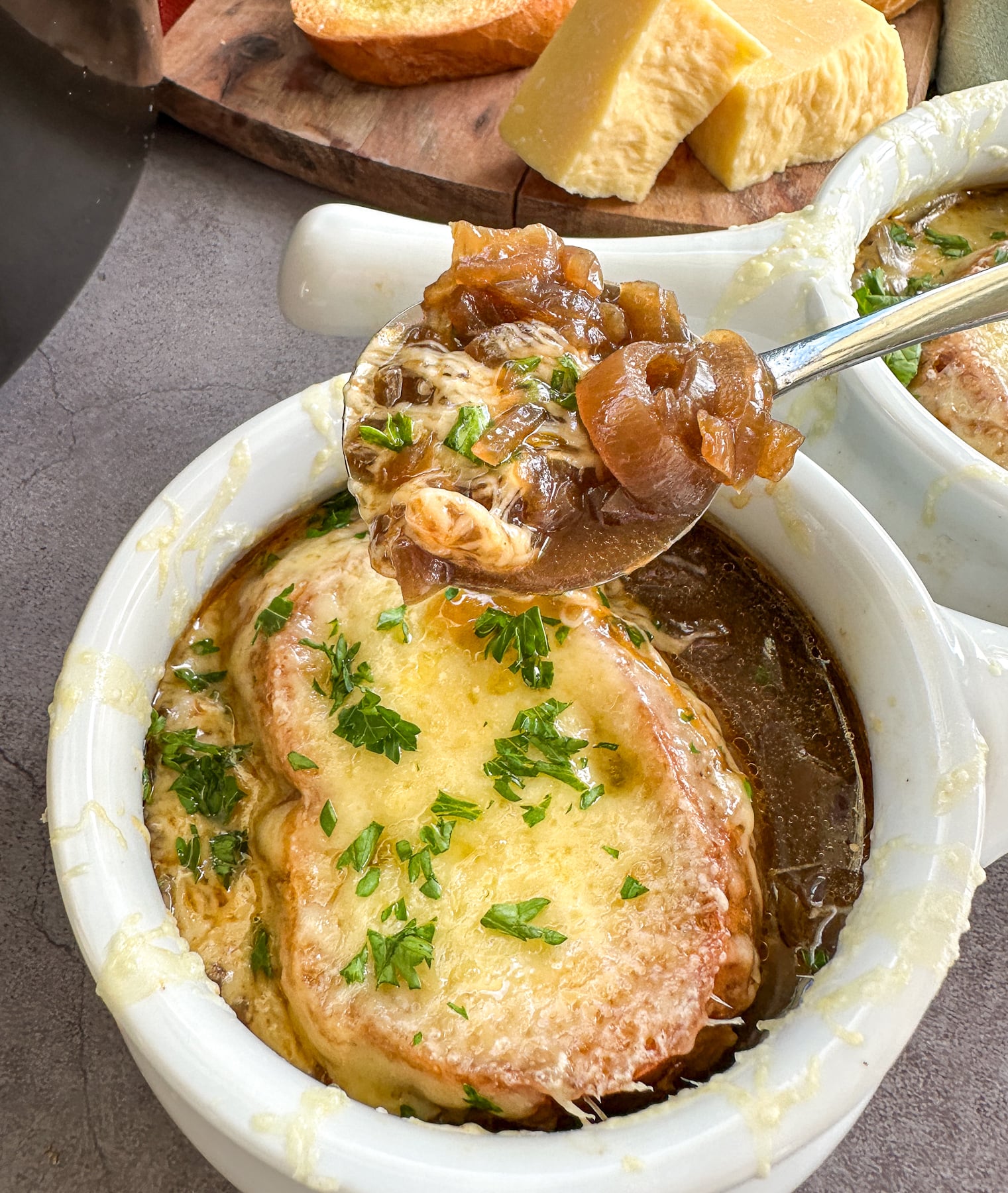
This simple step makes a noticeable difference in soups like my Slow Cooker French Onion Soup, where slowly cooking the onions first creates deep flavor.
The Simple Formula for Building a Great Soup
While every soup recipe is different, most great soups follow a similar structure. Once you understand the basic building blocks, it becomes much easier to troubleshoot a soup or even create your own recipes.
| Soup Element | Examples | Why It Matters |
|---|---|---|
| Flavor base | onion, garlic, celery, carrot, tomato paste | builds the foundation of flavor |
| Main ingredients | vegetables, beans, meat, lentils, mushrooms | provide body and substance |
| Liquid | broth, stock, canned tomatoes, wine | forms the soup base |
| Fat | olive oil, butter, bacon, cream | carries flavor and adds richness |
| Herbs & seasoning | thyme, bay leaf, parsley, salt, pepper | deepens and balances flavor |
| Finishing acid | lemon juice, apple cider vinegar | brightens the final soup |
You don’t need every one of these elements in every soup, but when several of them are present and balanced well, even a simple soup can taste deeply satisfying.
Choose Ingredients That Work Well for Soup
The ingredients you choose have a big influence on the final texture of your soup.
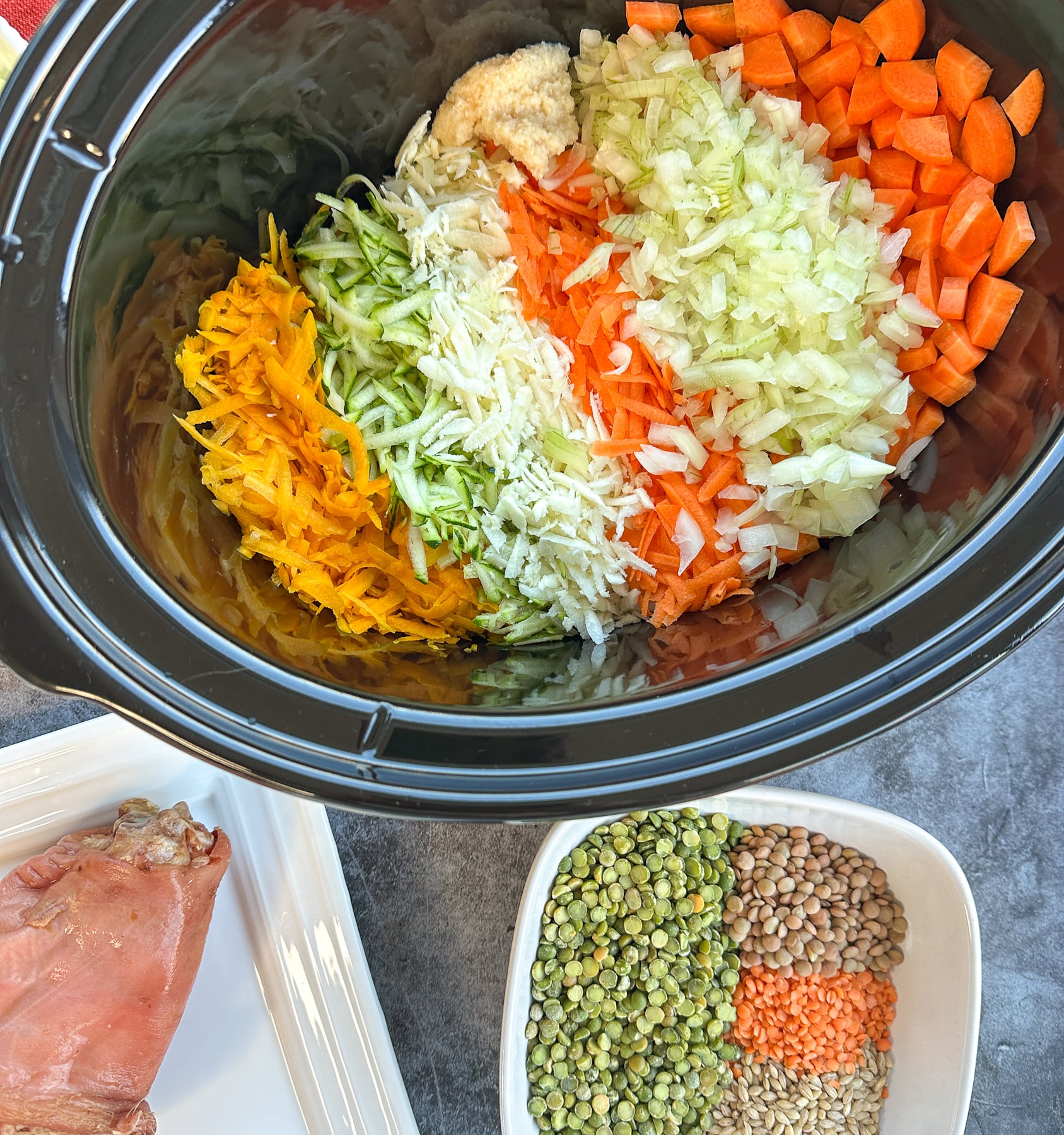
Vegetables like potatoes, pumpkin, carrots, sweet potatoes, and parsnips work beautifully in slow cooker soups because they soften gradually and naturally thicken the broth as they cook.
Vegetables naturally release moisture as they cook, so slow cooker soups often need less broth than stovetop soups. Cutting vegetables into similar sized pieces helps them cook evenly during long slow cooker cooking times.
You can always add a little more liquid later, but it’s much harder to fix a soup once it is too liquidy!
Very small pasta shapes like orzo or ditalini cook particularly quickly and may only need 10–15 minutes.
A good quality broth or stock also makes a huge difference. Since broth forms the base of the soup, using a rich stock gives the entire dish more depth and flavor.
Use the Right Size Slow Cooker
The size of your slow cooker can affect how soup cooks.
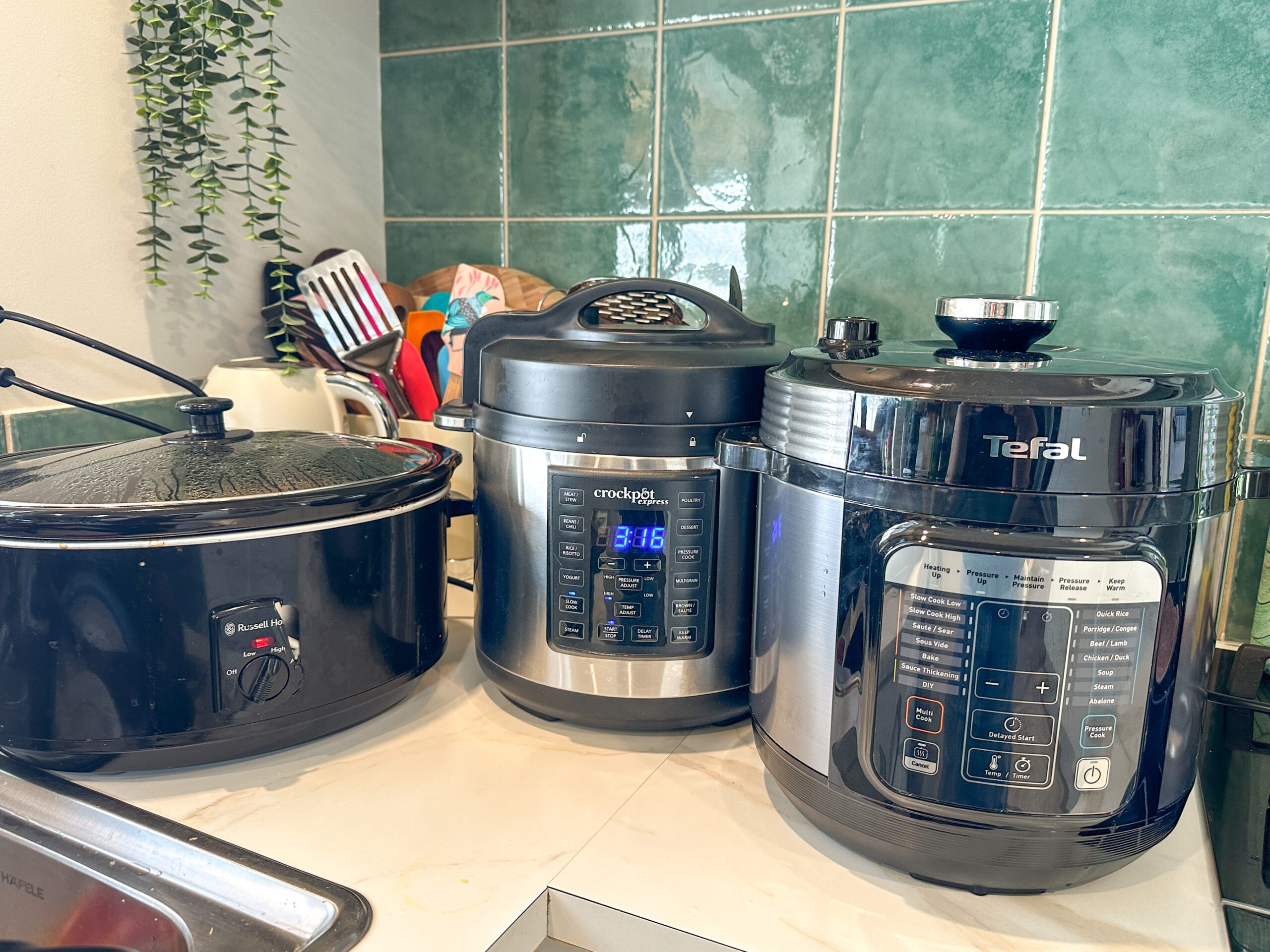
Slow cookers work best when they are filled about half to two-thirds full. If the cooker is too full, the soup may cook unevenly and take longer to heat properly. If it is barely filled, the soup can sometimes cook too quickly.
For most soup recipes, a 5–6 quart slow cooker is the ideal size because it allows enough room for the ingredients to circulate while still holding plenty of soup.
If your slow cooker is smaller or larger than this, you may need to slightly adjust the amount of liquid or cooking time.
Add Ingredients at the Right Time
One common mistake with slow cooker soup is assuming everything can simply be added at once.
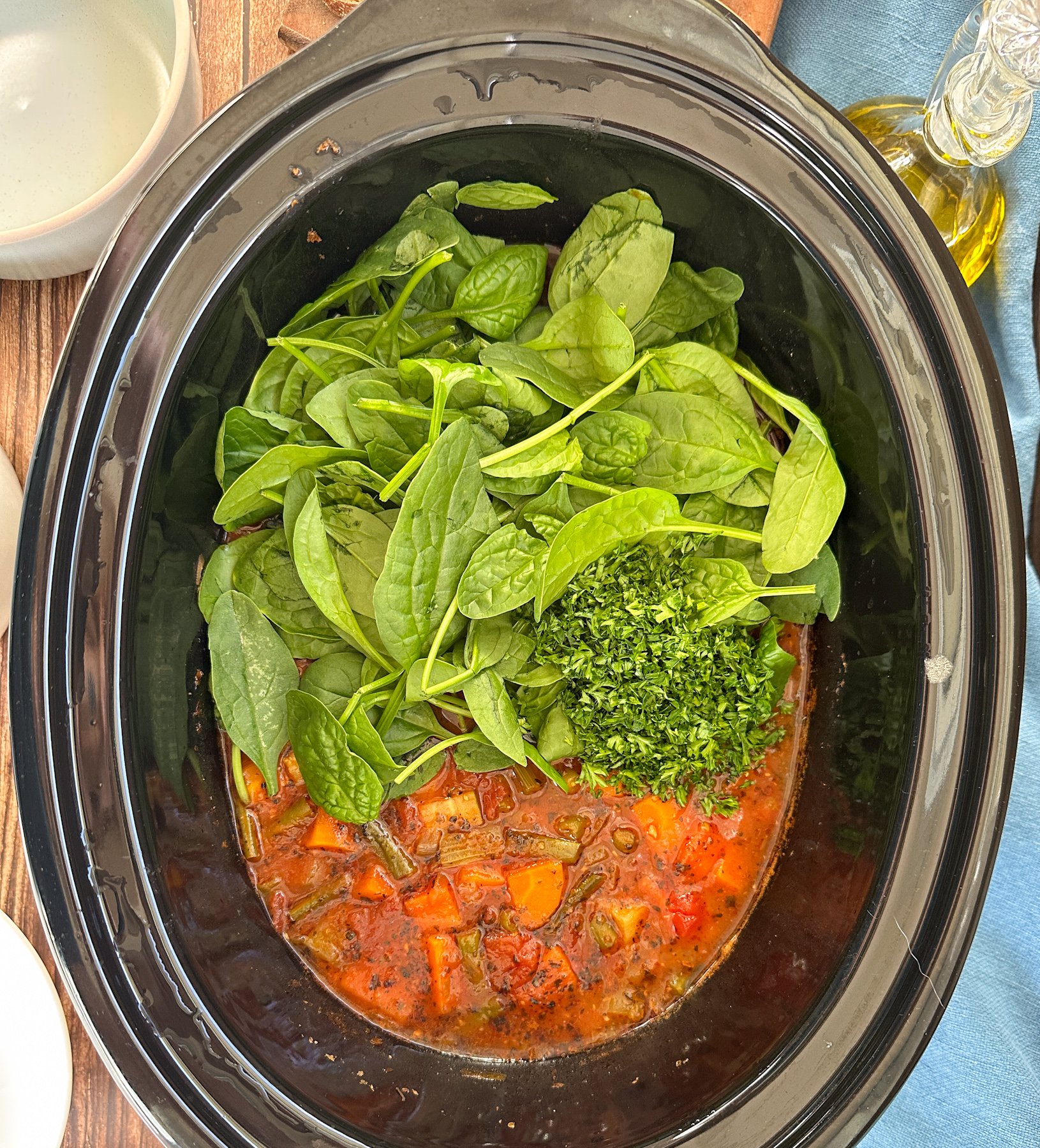
While some recipes are designed that way, many ingredients cook at very different speeds and benefit from being added later.
| Add at the Beginning | Add Near the End |
|---|---|
| onions | spinach |
| carrots | kale |
| potatoes | zucchini |
| dried beans | peas |
| lentils | pasta |
| tougher meats | rice |
Pasta and rice in particular should usually be added during the last 20–30 minutes of cooking so they don’t become overly soft.
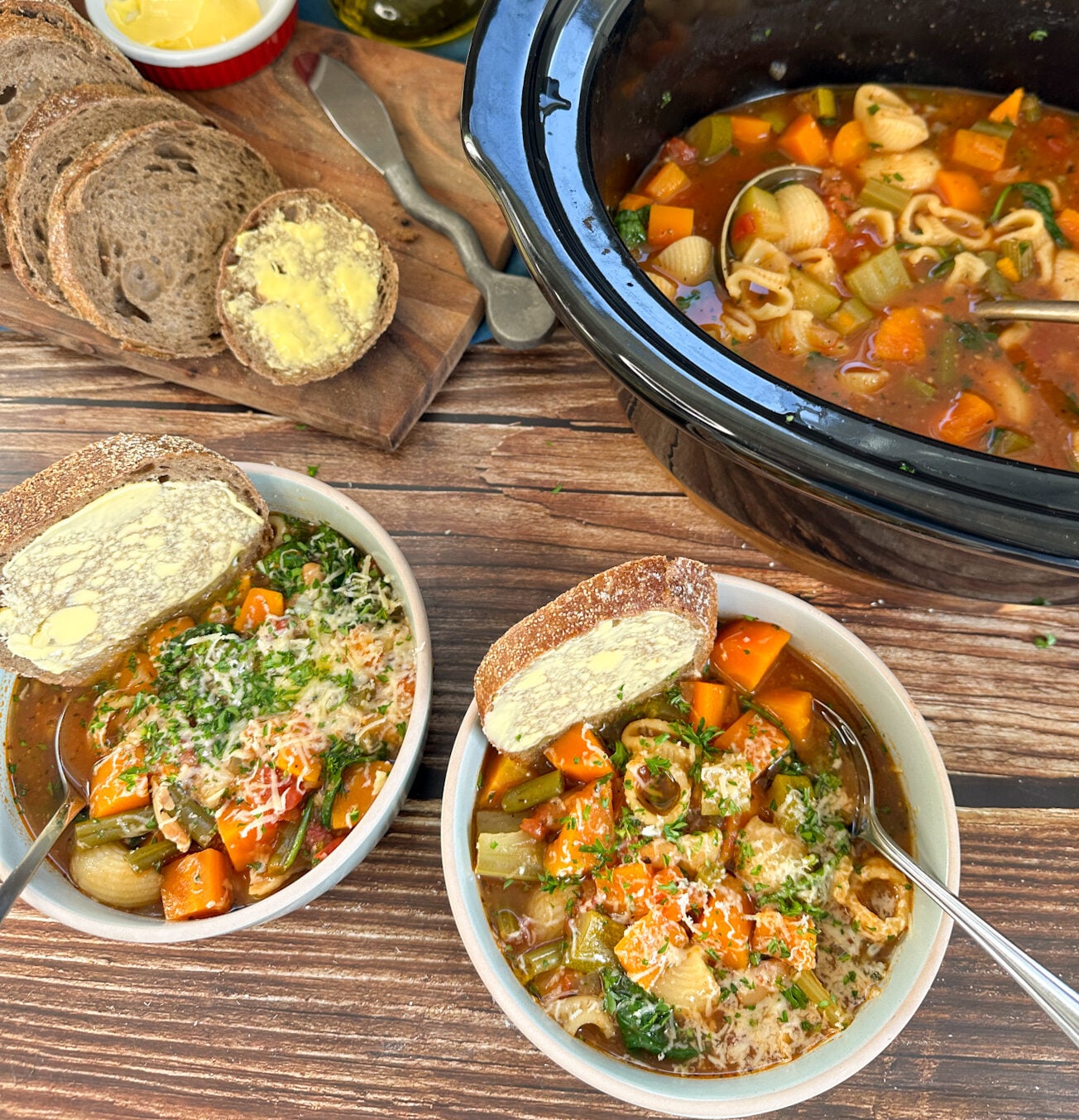
This timing is especially important in soups like Slow Cooker Minestrone, where ingredients like pasta and spinach are added near the end so they stay tender and fresh.
Layer Seasoning for the Best Flavor
Seasoning soup well is one of the simplest ways to improve it, but timing matters.
Many broths already contain salt, and as soup cooks slowly the flavors naturally concentrate. If too much salt is added early, the final soup can easily become overly salty.
A better approach is to season lightly during cooking and then taste the soup once it is finished. Adjusting the seasoning at the end allows you to fine-tune the flavor so the soup tastes balanced and full rather than flat.
Salt doesn’t simply add saltiness. Its real purpose is to enhance the natural flavors already present in the soup. If your soup turns out too salty, the most reliable fix is to dilute it with a little unsalted broth or water. Adding extra vegetables, beans, or a small knob of butter can also help rebalance the flavor.
Finishing Touches That Make Soup Taste Better
The Secret to Rich, Silky Soup (Without Diluting the Flavor!)
Here’s a little trick I only discovered fairly recently, and it has completely changed the way I finish some soups.
Many recipes suggest adding cream at the end to create a richer texture. The problem is that cream can sometimes dilute the flavor of the soup you’ve spent hours building.
Instead, try stirring in a small knob of butter right at the end of cooking. It melts into the soup and creates a beautiful glossy finish with a lovely silky mouthfeel without watering down the flavor.
Sometimes I’ll reduce the amount of cream in a recipe and finish with a little butter as well. The soup still feels rich and luxurious, but the flavor stays bold and delicious. Once you try it, you’ll start doing it all the time!
Balance Flavor With Acid and Herbs
A small finishing touch can make soup taste dramatically better.
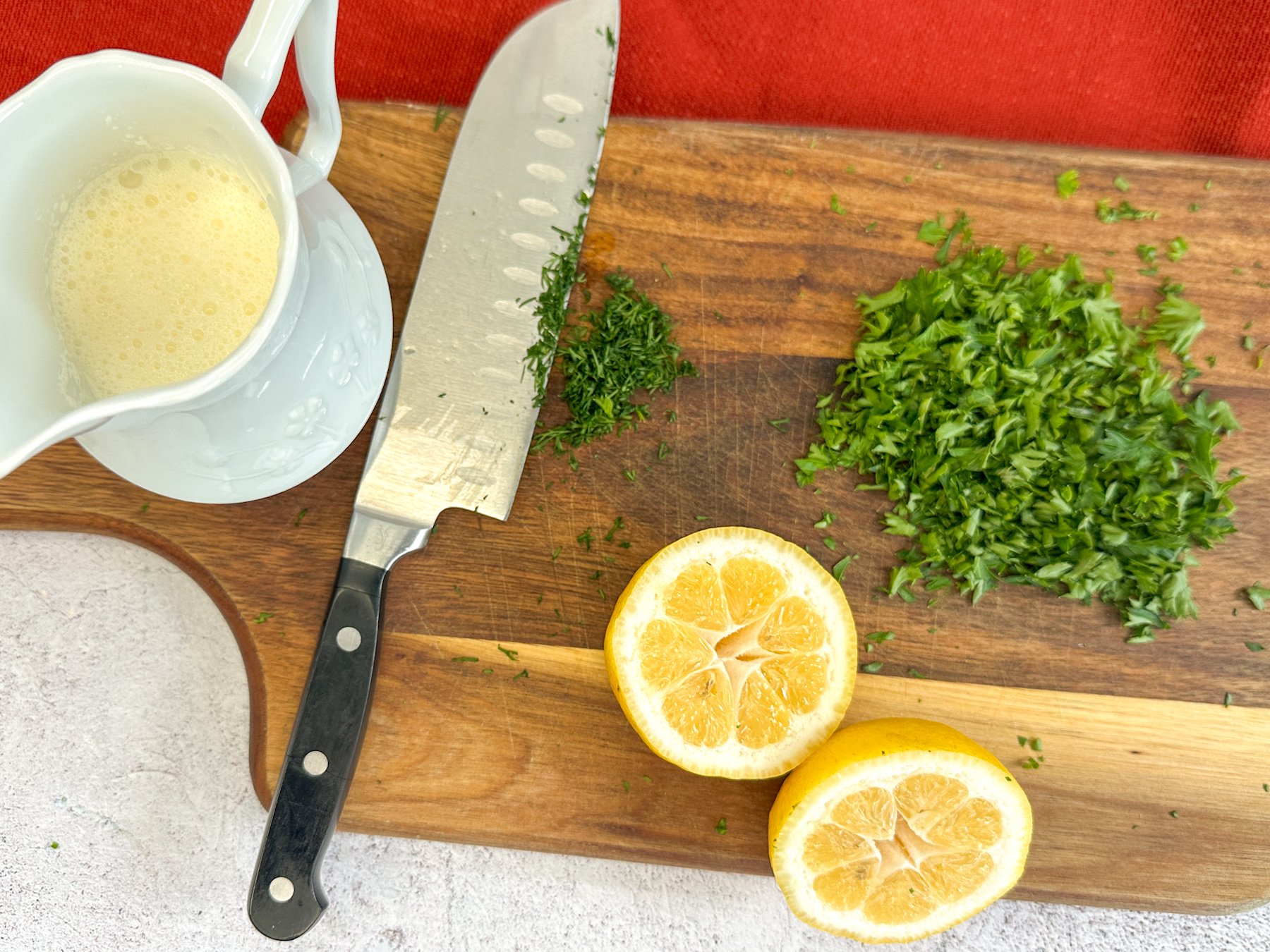
A splash of lemon juice or apple cider vinegar added right at the end can brighten the entire pot of soup. Acid helps balance rich broths and brightens the flavors so the soup tastes fresher and more vibrant.
Fresh herbs can also work wonders if a soup feels like it’s missing something. A handful of chopped parsley or basil stirred in just before serving often brings everything together beautifully.
How to Fix Watery Slow Cooker Soup (Getting the Right Texture)
If your slow cooker soup turns out too thin, the amount of liquid added at the beginning is usually the reason.
You usually don’t need to completely cover the ingredients with liquid in a slow cooker. As the soup cooks, vegetables and meat release their own moisture, which helps create the broth.
If your soup does turn out thinner than you’d like, there are several easy ways to thicken it:
Blend part of the soup
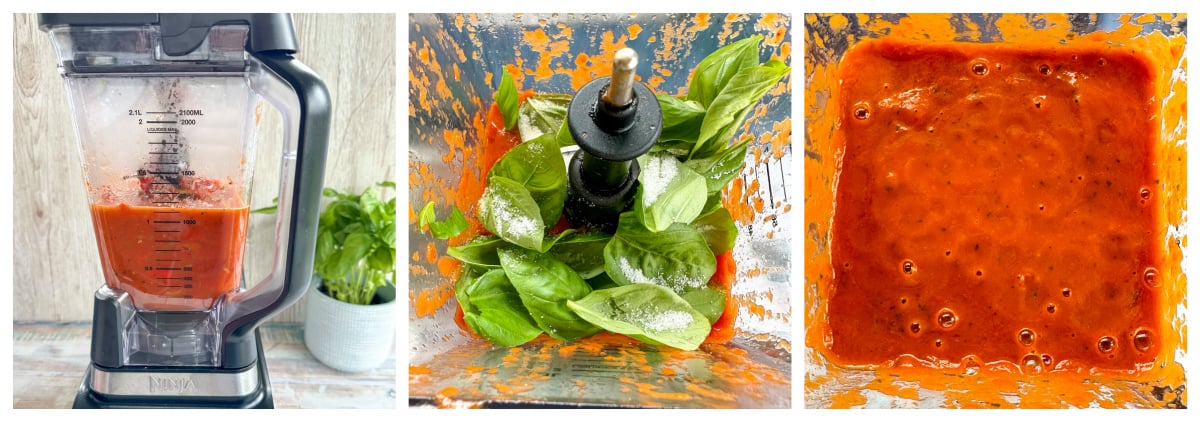
Use an immersion blender to blend a portion of the vegetables and broth.
Mash soft vegetables
Potatoes, beans, or pumpkin can be mashed to add natural thickness.
Use a cornstarch slurry
Mix cornstarch with cold water and stir it into the soup near the end of cooking. If you’d like more options, see my guide on how to thicken slow cooker soups and stews
Blending part of the soup or adding cornstarch are usually the two most common options because they thicken the soup while keeping the flavor balanced.
Common Slow Cooker Soup Mistakes
Even experienced cooks run into a few common issues when making soup in the slow cooker.
Adding pasta too early
Pasta absorbs liquid and becomes overly soft if it cooks for hours. It also doesn’t freeze especially well, so if you plan to freeze part of the soup, it’s best to cook the pasta separately and add it when reheating.
Overfilling the slow cooker
Leaving space allows heat to circulate properly. If the slow cooker is too full, it can take much longer to come up to temperature.
Not building flavor first
Sautéing vegetables or browning meat creates a deeper, richer soup.
Adding too much broth at the start
Because slow cookers trap moisture, soups rarely reduce during cooking.
Do Slow Cooker Soups Taste Better the Next Day?
Many soups taste even better the next day.
As the soup rests in the refrigerator, the flavors continue to meld together and become more complex. This is especially true for soups that contain broth, beans, or meat.
However, pasta and rice don’t store quite as well because they continue to absorb liquid.

How to Store Slow Cooker Soup Safely
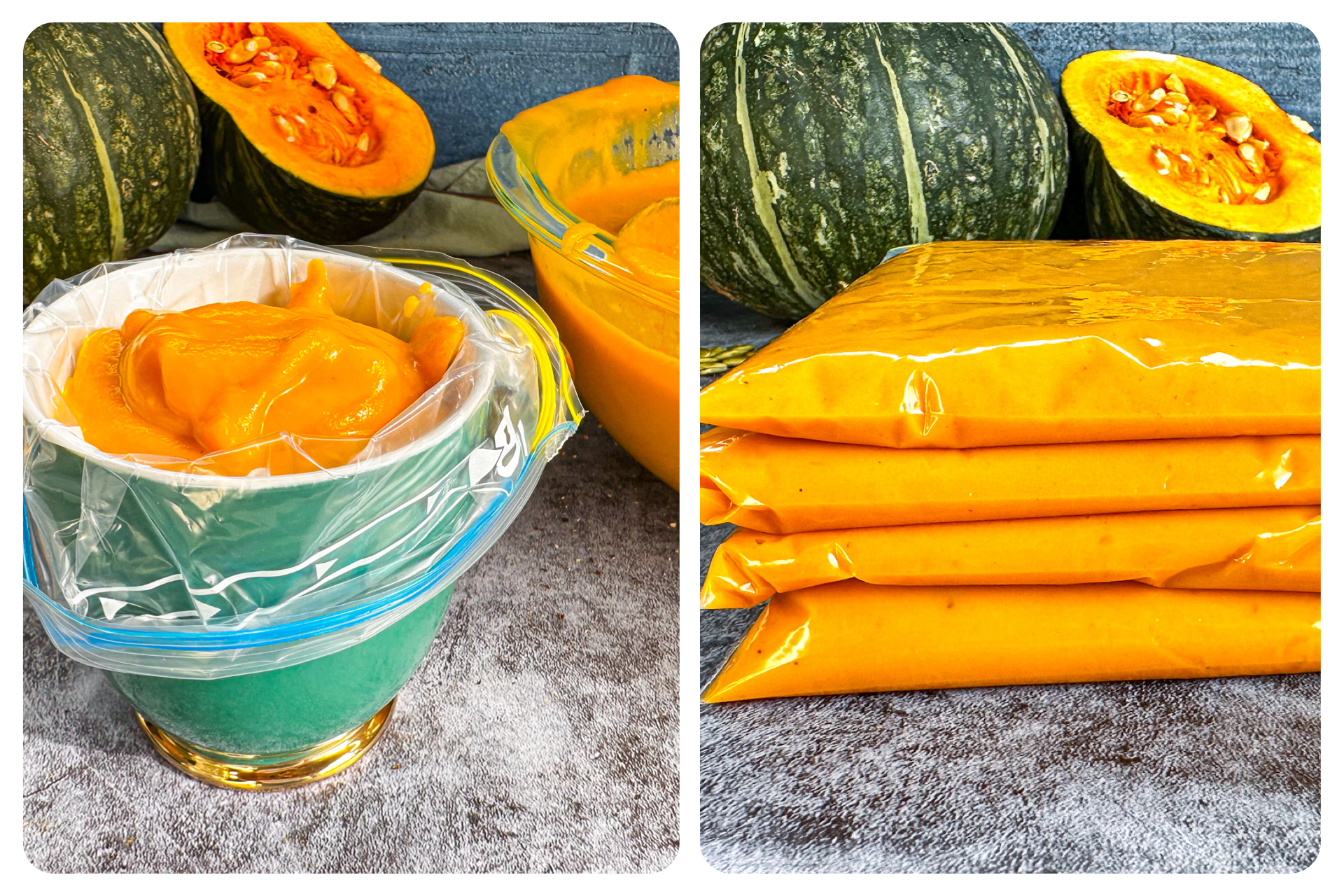
Once the soup has finished cooking, allow it to cool slightly before transferring it to airtight containers or zip lock bags. If you’re not sure how to portion soup for freezing, this quick video will show you exactly how I do it.
Refrigerate the soup and reheat gently until hot when ready to serve again.
You may have heard of “forever soup,” where people claim they leave soup on the stovetop for days at a very low temperature.
Please don’t do that! Long periods at warm temperatures can affect both flavor and food safety. Cooking the soup, cooling it properly, and reheating it when needed will always give the best results.
Slow Cooker Soup Recipes to Try
If you’d like to try these tips in practice, here are some of my favorite slow cooker soups. You can also explore the full collection of slow cooker soup recipes here if you’re looking for more cozy ideas.
Slow Cooker Creamy Chicken Noodle Soup
Slow Cooker Minestrone Soup
Slow Cooker Tomato and Basil Soup
Slow Cooker Potato and Leek Soup
Slow Cooker French Onion Soup
Frequently Asked Questions About Slow Cooker Soup
Why does my slow cooker soup turn out watery?
Slow cookers trap steam, so very little liquid evaporates during cooking. This means soups often need less broth than stovetop recipes. Starting with slightly less liquid usually prevents watery soup.
Can I put raw meat directly into slow cooker soup?
Yes, many slow cooker soup recipes work perfectly well with raw meat added directly to the pot. However, browning the meat first adds deeper flavor and creates a richer broth.
When should pasta be added to slow cooker soup?
Pasta should usually be added during the last 20–30 minutes of cooking so it doesn’t become overly soft. If the soup will be frozen or stored for later, it’s often best to cook the pasta separately and add it when serving.
Can slow cooker soup be blended?
Yes. An immersion blender or a heat-proof countertop blender works beautifully for creating creamy vegetable soups. Blending part of the soup can also help thicken the broth naturally.
Can slow cooker soup be made ahead of time?
Absolutely. Many soups taste even better the next day as the flavors continue to develop and blend together. Just store the soup in the refrigerator and reheat gently when ready to serve.
Can I cook soup on HIGH instead of LOW in a slow cooker?
Yes. Most slow cooker soups can be cooked on HIGH for about half the time instead of LOW. For example, a soup that cooks for 6–8 hours on LOW will usually cook in about 3–4 hours on HIGH, although cooking on LOW often produces slightly better flavor.
What if my vegetables or meat aren’t tender at the end of cooking?
This is quite common and usually means the soup simply needs more time. Turn the slow cooker to HIGH for another hour or two, or continue cooking on LOW until the ingredients are fully tender.
Making a truly delicious slow cooker soup isn’t complicated — it just comes down to a few simple techniques. Building flavor at the start, choosing the right ingredients, and finishing the soup properly can make all the difference.
I hope these tips help you create soups that are rich, comforting and satisfying every time.
If you’re looking for inspiration, you can browse all my slow cooker soup recipes here, where you’ll find everything from creamy vegetable soups to hearty slow cooked classics.
Thank you so much for stopping by to read my guide and spend a little time in my kitchen.
Happy cooking!
Anna xo
Leave a Reply