Slow cookers make it easy to prepare comforting meals with very little hands-on time. Simply add your ingredients, turn the slow cooker on, and let it cook gently while you get on with your day!
Knowing how long different foods should cook in a slow cooker can sometimes feel confusing. Cooking times can vary depending on the ingredients, the size of the slow cooker, and whether you are using the LOW or HIGH setting.
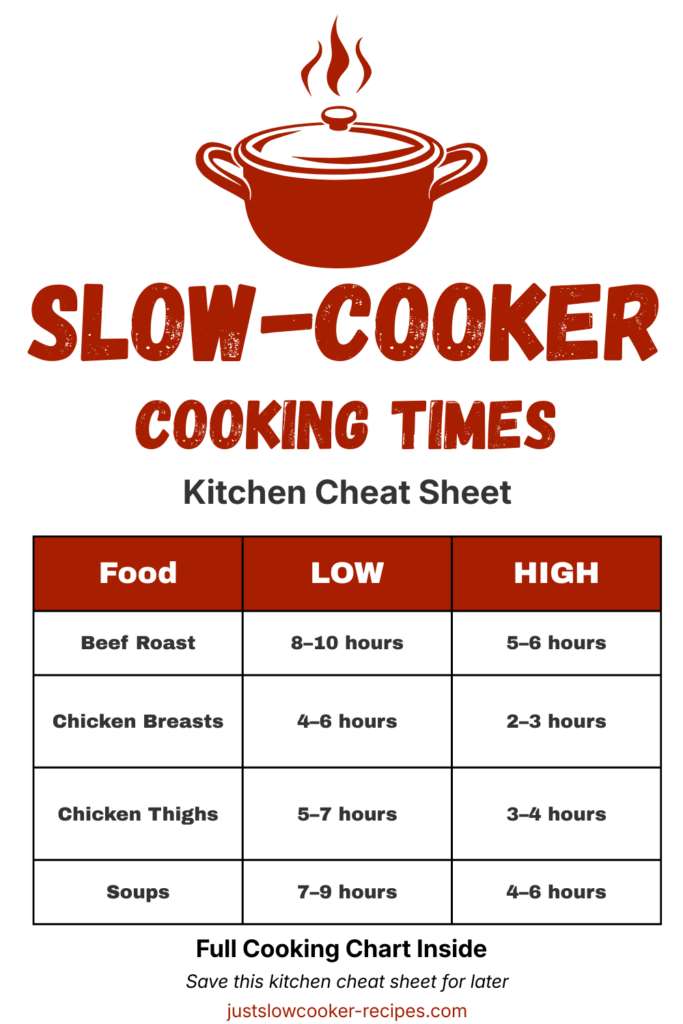
This slow cooker cooking times chart provides a helpful guide for cooking common ingredients safely and successfully, making it easier to plan slow cooker meals with confidence.
Jump to: Slow Cooker Cooking Times Chart
Slow Cooker Cooking Times Chart (LOW vs HIGH)
The chart below shows typical slow cooker cooking times for common ingredients on both LOW and HIGH. These times are general guidelines. Always check the food is tender and cooked through before serving.
| Food | LOW Setting Hours | HIGH Setting Hours |
|---|---|---|
| Beef Roast (1–1.5 kg / 2–3 lb) | 8-10 Hours | 5-6 Hours |
| Pork Shoulder (1–1.5 kg / 2–3 lb) | 8-10 Hours | 5-6 Hours |
| Chicken Breasts | 4-6 Hours | 2-3 Hours |
| Chicken Thighs | 5-7 Hours | 3-4 Hours |
| Ground Beef or Mince | 4-6 Hours | 2-3 Hours |
| Sausages | 5-6 Hours | 3-4 Hours |
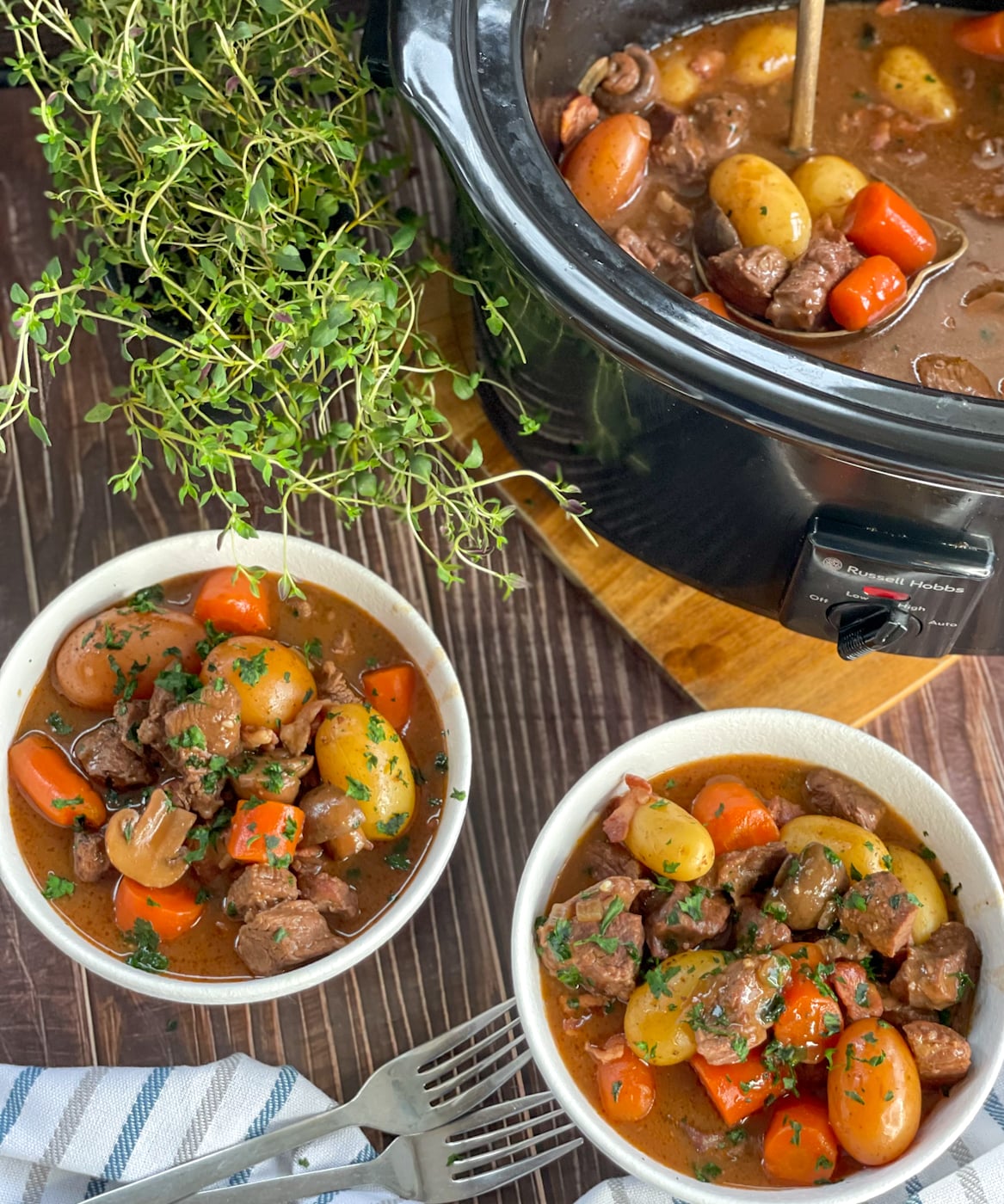
| Diced Beef (Stew Meat / Chuck) | 7-8 Hours | 4-5 Hours |
| Lentils | 6-8 Hours | 3-4 Hours |
| Root Vegetables (Carrots, Potatoes) | 6-8 Hours | 4-5 Hours |
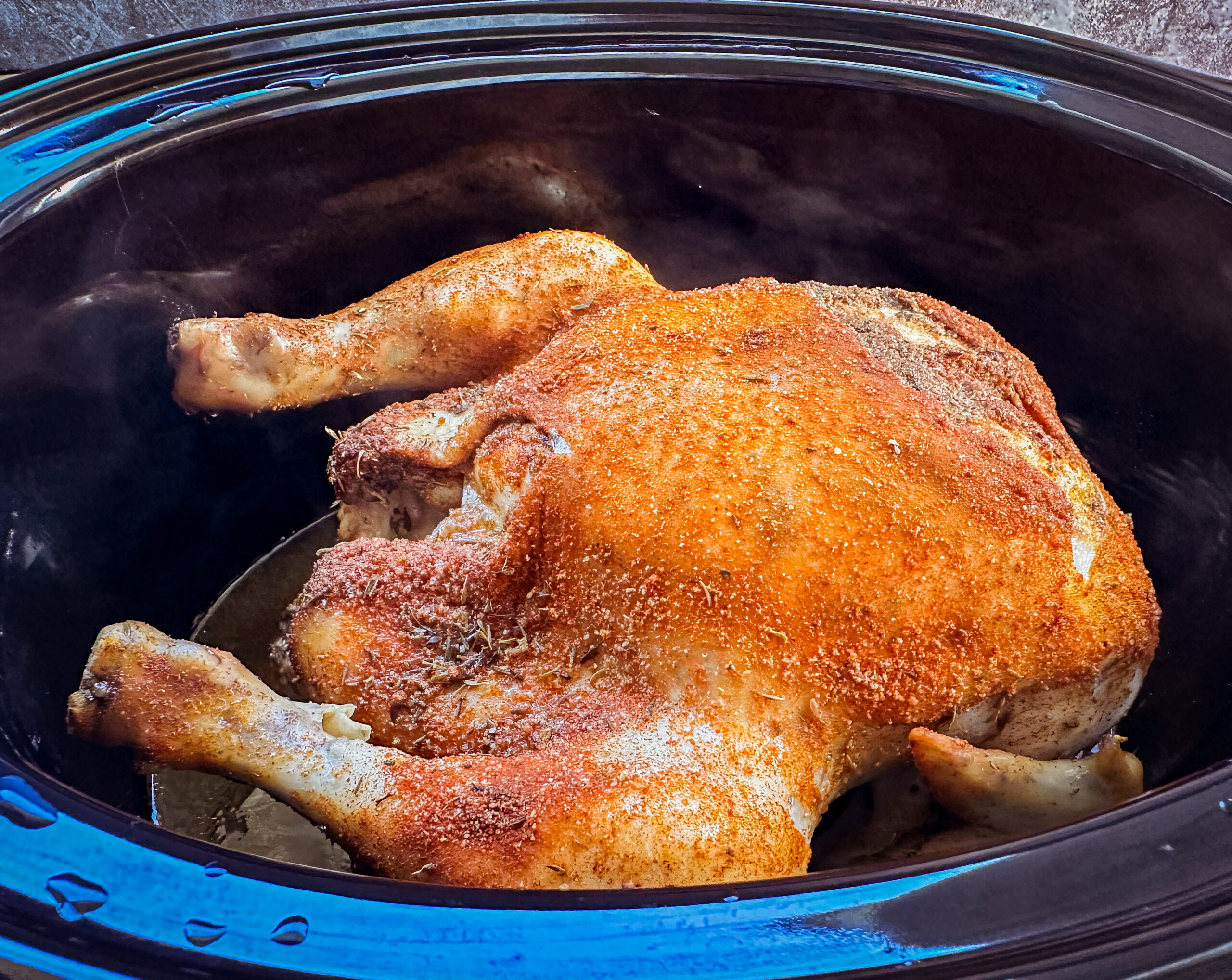
| Whole Chicken (1.5–2 kg / 3–4 lb) | 6-8 Hours | 3-4 Hours |
| Soups or Stews | 7-9 Hours | 4-6 Hours |
These slow cooker cooking times are intended as a general guide. Actual cooking times may vary depending on, the slow cooker model, larger pieces of meat or vegetables may take longer and also how full the slow cooker is.
If your chicken ever turns out dry in the slow cooker, you might find my guide on Why Slow Cooker Chicken Becomes Dry (and How to Fix It) helpful. It explains the most common causes and how to keep slow cooker chicken juicy.
Why Slow Cooker Cooking Times Vary
Slow cooker cooking times depend on several factors including the ingredients used, the size of your slow cooker, and whether you cook on LOW or HIGH.
Most slow cookers eventually reach a similar temperature, but the LOW setting cooks more gently over a longer period while HIGH speeds up the process.
The chart below gives typical cooking times to help guide your recipes.
| Setting | Typical Temperature | Best For |
|---|---|---|
| LOW | ~175–200°F (79–93°C) | All-day cooking (8+ Hours) |
| HIGH | ~250–300°F (121–149°C) | Faster cooking (4–6 Hours) |
| WARM | ~165°F (74°C) | Holding cooked food |
Both LOW and HIGH settings eventually reach similar temperatures, but the HIGH setting reaches that temperature more quickly.
For best results, most slow cookers should be filled between halfway and two-thirds full.
Minimum Safe Internal Temperature
Cooking time is helpful, but the safest way to ensure food is fully cooked is by checking the internal temperature.
Food safety authorities recommend the following minimum temperatures:
| Food | Safe Internal Temperature |
|---|---|
| Beef, pork or lamb | 63°C (145°F) |
| Ground meat | 71°C (160°F) |
| Poultry | 74°C (165°F) |
| Soups and stews | 74°C (165°F) |
Using a kitchen thermometer helps ensure food is properly cooked and safe to eat. These temperatures align with USDA food safety recommendations, which are widely used as a global reference for safe cooking temperatures.
Source:
USDA Safe Minimum Internal Temperature Chart for cooking meat
https://www.fsis.usda.gov/food-safety/safe-food-handling-and-preparation/food-safety-basics/safe-temperature-chart
Helpful Slow Cooker Cooking Tips
Start on HIGH for the First Hour
If you are cooking a meal for a long time on LOW, it can help to start on HIGH for the first hour before switching to LOW. This helps food heat more quickly and move through the temperature range where bacteria grow most rapidly.
Keep the Lid Closed
Try to avoid lifting the lid too often during cooking. Each time the lid is removed, heat escapes and it can take around 20 minutes for the slow cooker to return to its cooking temperature.
Thaw Meat Before Cooking
For best results and food safety, thaw frozen meat before adding it to a slow cooker. Frozen meat can take too long to reach a safe cooking temperature.
How Full Should a Slow Cooker Be?
For best results, slow cookers should usually be filled between half and two-thirds full. This allows heat to circulate evenly around the ingredients while preventing food from overcooking or burning around the edges.
Should You Brown Meat Before Using a Slow Cooker?
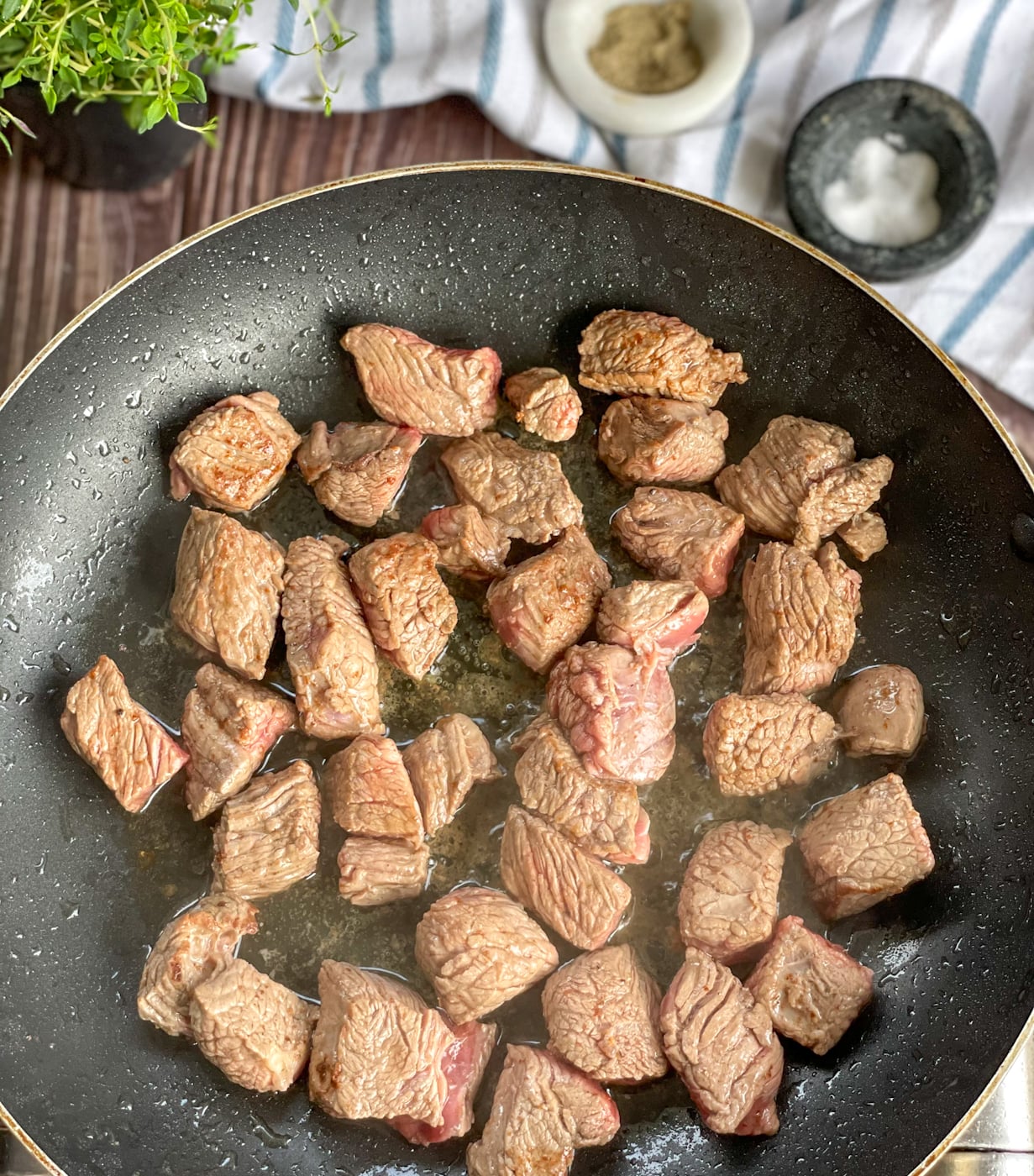
Many slow cooker recipes begin by browning meat in a pan before adding it to the slow cooker. While this step is optional, it can improve flavour by creating a richer caramelised surface on the meat.
Browning meat also helps remove excess fat and can add depth to sauces and stews. However, if you prefer a quicker preparation, most recipes will still cook successfully without this step.
Can You Cook Frozen Meat in a Slow Cooker?
For food safety reasons, it is generally recommended to thaw meat before placing it in a slow cooker.
Frozen meat may take too long to reach a safe cooking temperature, which can allow bacteria to grow during the early stages of cooking.
For best results:
- thaw meat in the refrigerator first
- cut large pieces into smaller portions
- ensure the slow cooker is at least half full
Once thawed, meat can be safely cooked in the slow cooker using the timing guide above.
How Long Does a Slow Cooker Take to Heat Up?
Most slow cookers take around 30–60 minutes to reach their cooking temperature, depending on the model and how full the slow cooker is.
This is why many recipes suggest starting on HIGH for the first hour before switching to LOW. Heating the slow cooker quickly helps food move through the temperature range where bacteria grow most rapidly.
Common Slow Cooker Questions
Is It Better to Cook on LOW or HIGH?
Both settings will cook food safely. The difference is simply how long the cooking takes.
LOW is ideal for:
- cooking meals throughout the day
- tougher cuts of meat
- soups and stews
In most slow cooker recipes, the LOW setting simply cooks the food more gently over a longer period. The HIGH setting speeds things up but it is not just a matter of it cooking quicker – it can work well or it can mean the full tenderness of a slow cooked meal may not come through.
HIGH is helpful when you need a meal ready sooner or when cooking more delicate ingredients like chicken. Chicken is safely cooked at 165°F (74°C).
Can I Leave a Slow Cooker On All Day?
Yes. Slow cookers are designed for long cooking times and are safe to leave on for several hours while cooking meals such as stews, soups, and braised meats.
Can You Put Raw Meat in a Slow Cooker?
Yes, it is completely safe to cook raw meat in a slow cooker. Slow cookers are designed to heat food gradually while maintaining a temperature high enough to safely cook meat.
However, it is important to ensure the food reaches a safe internal temperature during cooking.
For best results:
- thaw frozen meat before adding it to the slow cooker
- cut large pieces into even sizes
- ensure the slow cooker is at least half full
Some cooks also like to brown meat before adding it to the slow cooker to develop additional flavour. This step is optional, so check the individual recipe for guidance on whether it is recommended.
Slow Cooker Conversion Chart (Oven to Slow Cooker)
If you are adapting an oven recipe, this simple guide can help estimate slow cooker cooking times.
| Conventional Oven Time | Slow Cooker LOW | Slow Cooker HIGH |
|---|---|---|
| 30 minutes | 1–2 Hours | 1 Hour |
| 45 minutes | 3-4 Hours | 2 Hours |
| 1–1½ hours | 6-7 Hours | 3-4 Hours |
| 2–3 hours | 8-10 Hours | 4-6 Hours |
These times are approximate but provide a helpful starting point when converting casseroles, braised meats, and stews for slow cooker cooking.
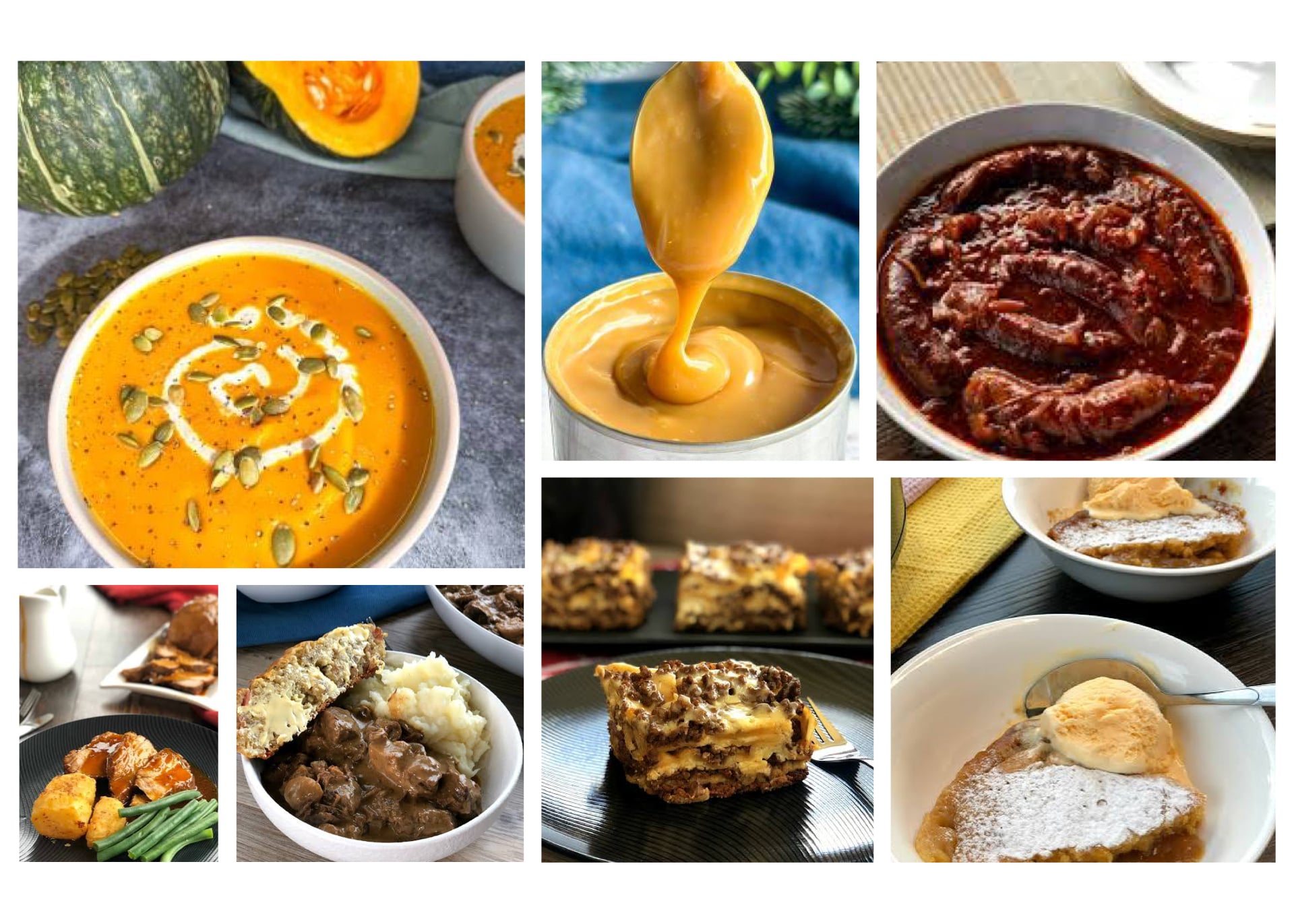
Easy Slow Cooker Recipes to Try
Once you understand slow cooker cooking times, these recipes become even easier to make.
You might enjoy:
- Slow Cooker Curried Sausages
- Creamy Slow Cooker Cauliflower and Broccoli Soup
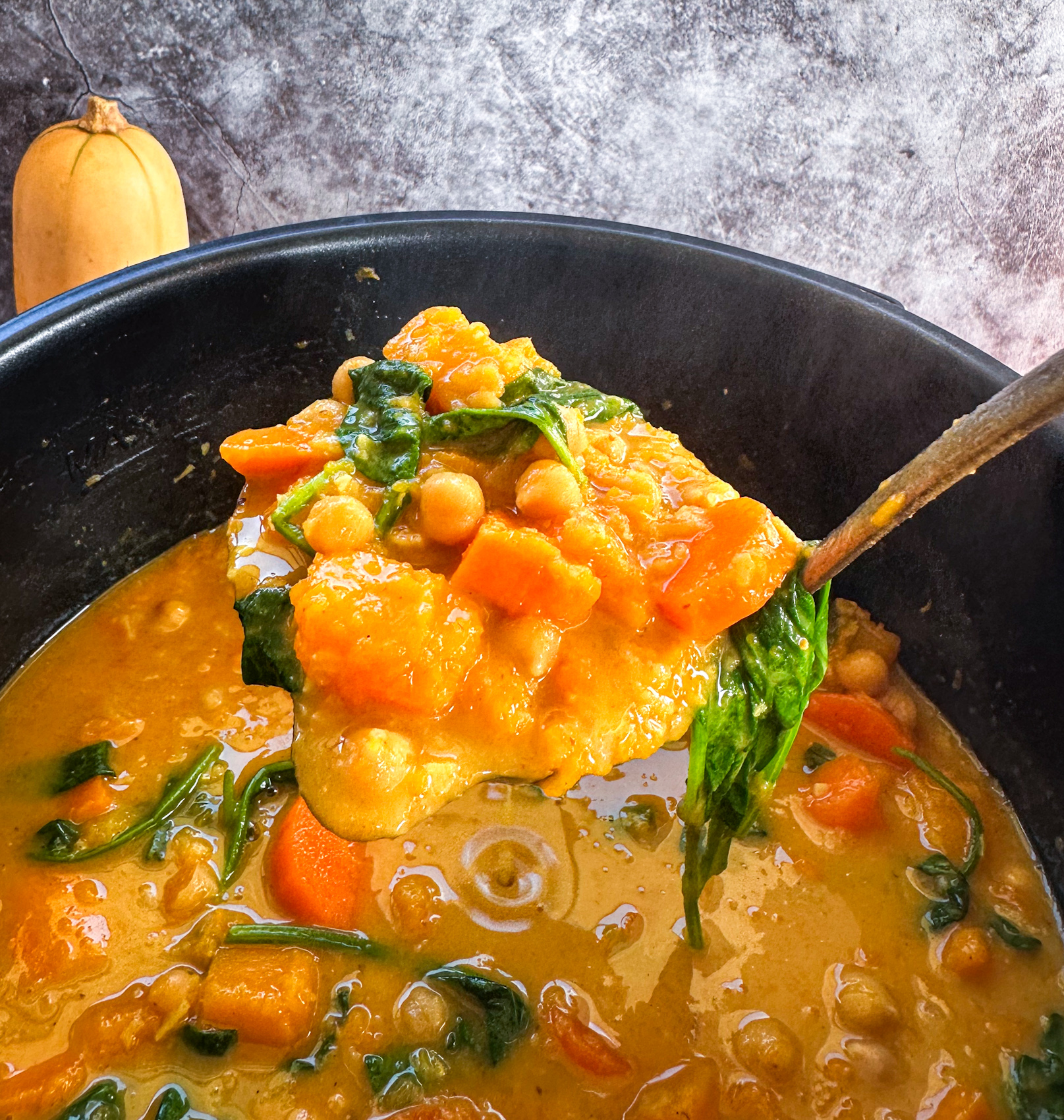
- Slow Cooker Pumpkin & Chickpea Curry
- Slow Cooker Lasagna
- Slow Cooker BBQ Pulled Chicken
Each of these recipes follows the same slow cooking principles described above.
If your dish finishes with a thinner sauce than expected, you can also use these simple tips on how to thicken slow cooker sauce.
Slow cookers really are one of the most helpful tools in the kitchen. Once you become familiar with the basic cooking times, it becomes much easier to plan simple, comforting meals for busy days.
I hope this slow cooker cooking times chart gives you a helpful starting point. Every slow cooker and recipe can vary a little, but with these guidelines you’ll quickly learn what works best in your own kitchen.
If you’re looking for inspiration, be sure to browse my collection of easy slow cooker recipes where you’ll find plenty of simple meals perfect for everyday cooking.
Happy Cooking! Anna
Leave a Reply